Introduction
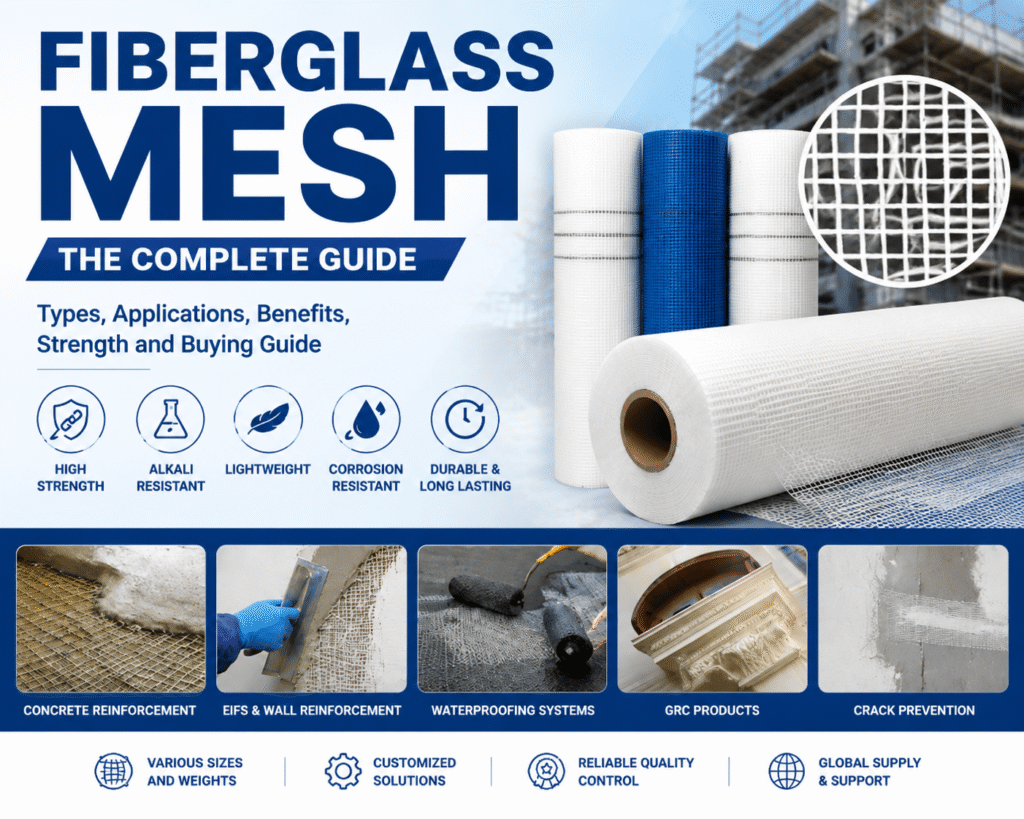
Fiberglass mesh is a high-performance reinforcement material widely used in construction, waterproofing, insulation systems, and industrial applications. With excellent tensile strength, alkali resistance, corrosion resistance, and lightweight properties, fiberglass mesh has become an essential material for improving the durability and stability of modern building structures.
Compared with traditional reinforcement materials such as steel mesh, fiberglass mesh offers advantages including easier installation, better corrosion resistance, and longer service life.
Today, fiberglass mesh is widely used for:
- Concrete reinforcement
- EIFS (Exterior Insulation and Finish Systems)
- Wall crack prevention
- Waterproofing systems
- GRC (Glass Fiber Reinforced Concrete) products
In this guide, we will explain what fiberglass mesh is, its different types, applications, benefits, and how to choose a reliable fiberglass mesh supplier.
What Is Fiberglass Mesh?
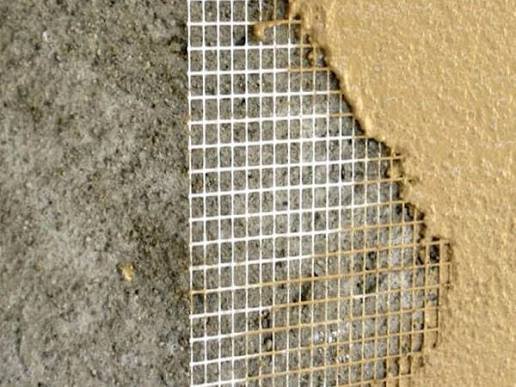
Fiberglass mesh is a reinforcement material made from woven fiberglass yarns coated with an alkali-resistant polymer coating. The fiberglass yarns are arranged into a grid structure, creating a lightweight but strong mesh that improves the mechanical performance of construction materials.
The main raw material of fiberglass mesh is E-glass fiber, which provides excellent tensile strength, dimensional stability, and resistance to chemicals and environmental factors.
The protective coating applied to fiberglass mesh plays an important role because cement-based materials contain alkaline substances that may damage ordinary fiberglass. High-quality alkali resistant fiberglass mesh uses a special coating technology to maintain strength and durability even when embedded in concrete, mortar, or plaster.
Key Characteristics of Fiberglass Mesh
High Tensile Strength
Fiberglass mesh helps distribute external stress and prevents cracks caused by shrinkage, temperature changes, and structural movement.
Alkali Resistance
The alkali-resistant coating protects fiberglass yarns from degradation when used with cement-based materials.
Lightweight
Fiberglass mesh is much lighter than metal reinforcement materials, making transportation and installation easier.
Corrosion Resistance
Unlike steel mesh, fiberglass mesh does not rust, making it suitable for humid and outdoor environments.
Long Service Life
High-quality fiberglass mesh maintains stable performance under different environmental conditions.
Types of Fiberglass Mesh
Different applications require different types of fiberglass mesh. Choosing the correct product specification can improve reinforcement performance and reduce project costs.
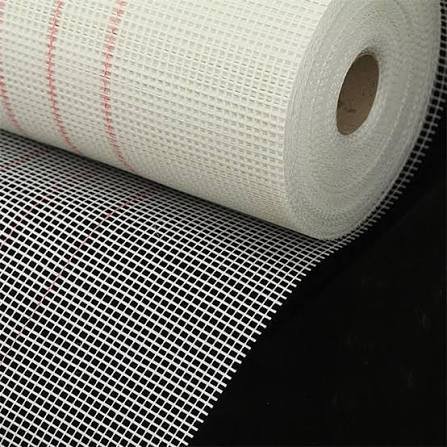
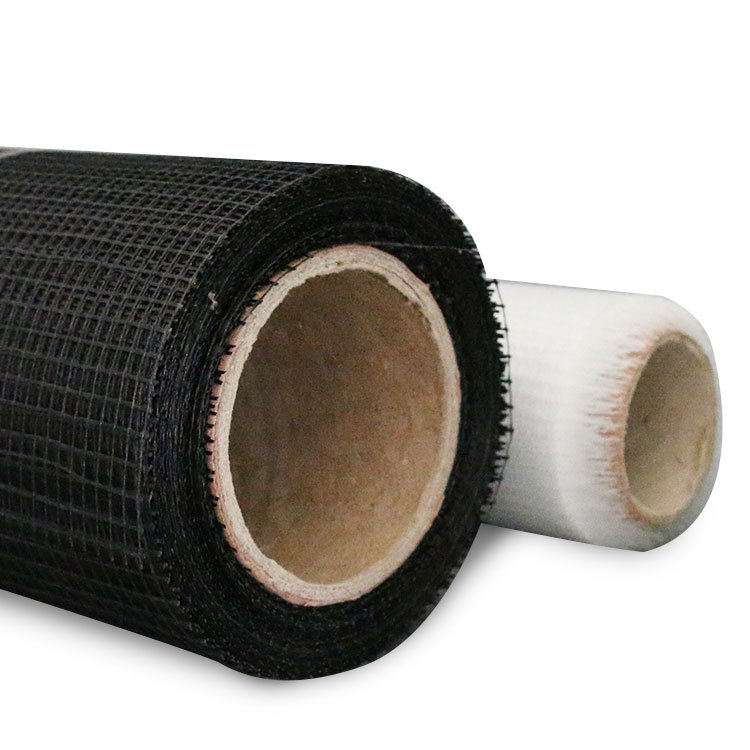
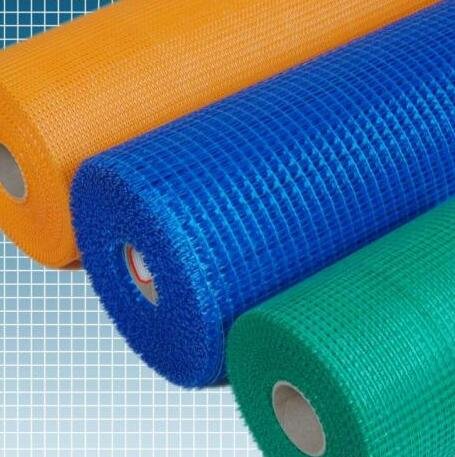
1. Alkali Resistant Fiberglass Mesh
Alkali resistant fiberglass mesh is the most commonly used type for construction applications.
It is specially designed for environments containing cement, concrete, and mortar, where alkaline substances may affect ordinary fiberglass materials.
Common Applications:
- EIFS insulation systems
- Concrete reinforcement
- Wall reinforcement
- Plaster reinforcement
- GRC products
Advantages:
- Excellent alkali resistance
- High tensile strength
- Crack prevention
- Long durability
- Suitable for outdoor applications
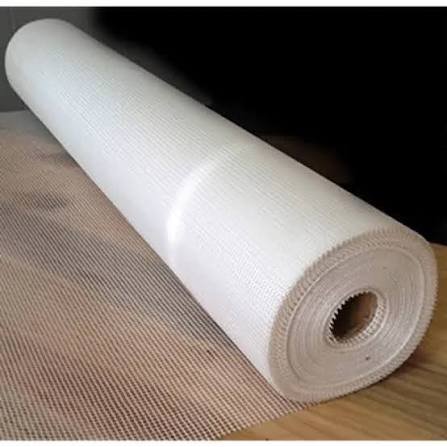
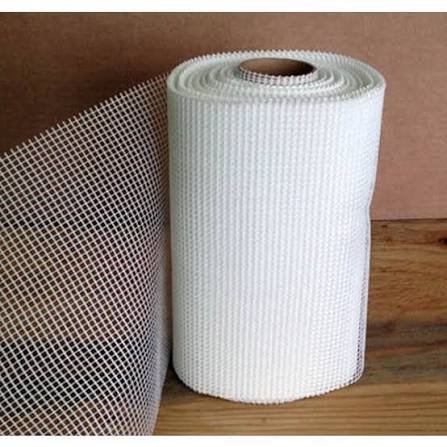
2. Fiberglass Mesh Roll
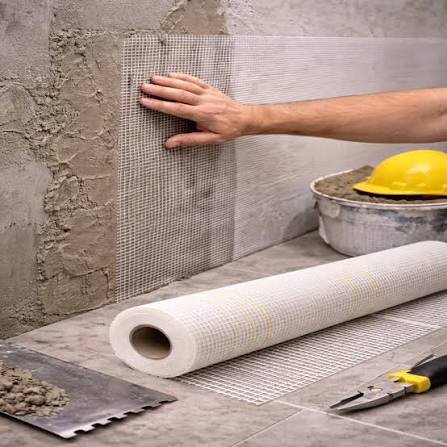
Fiberglass mesh roll is a flexible reinforcement material supplied in rolls, making it ideal for large-area construction projects.
It is commonly used by:
- Construction contractors
- Building material distributors
- Insulation system manufacturers
Applications:
- Wall reinforcement
- Crack repair
- Waterproofing layers
- Plaster reinforcement
Fiberglass mesh rolls are available in different:
- GSM weights
- Mesh sizes
- Widths
- Roll lengths

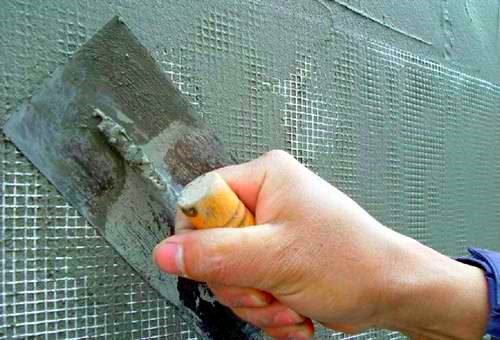
3. Fiberglass Mesh Tape
Fiberglass mesh tape is a narrow mesh product mainly used for repair and finishing applications.
It is commonly used for:
- Drywall joint reinforcement
- Wall crack repair
- Interior decoration
- Small-area repairs
Compared with traditional repair materials, fiberglass mesh tape provides better strength and crack resistance.
Fiberglass Mesh Applications
Fiberglass mesh is widely used across construction and industrial fields because it improves material strength, prevents cracking, and extends service life.
Fiberglass Mesh for Concrete Reinforcement
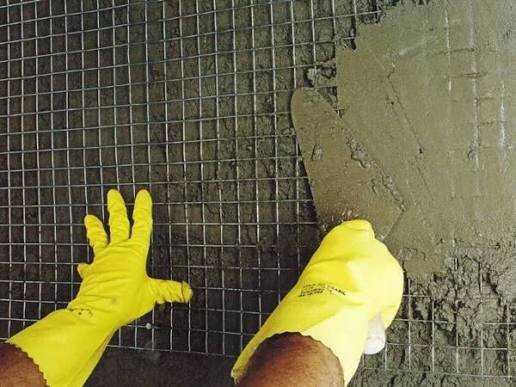
Concrete has excellent compressive strength but relatively low tensile strength. During drying, temperature changes, or structural movement, cracks may appear.
Fiberglass mesh for concrete reinforcement helps control cracking by distributing stress throughout the reinforced area.
Benefits in Concrete Applications:
- Reduces concrete cracking
- Improves tensile performance
- Enhances durability
- Provides corrosion resistance
- Extends structural lifespan
Compared with steel reinforcement mesh, fiberglass mesh provides better corrosion resistance and easier handling.
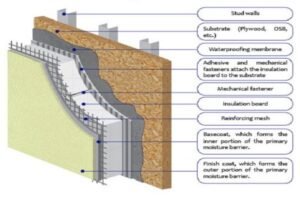
Fiberglass Mesh for EIFS
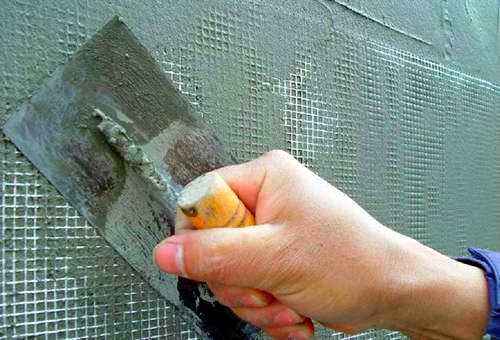
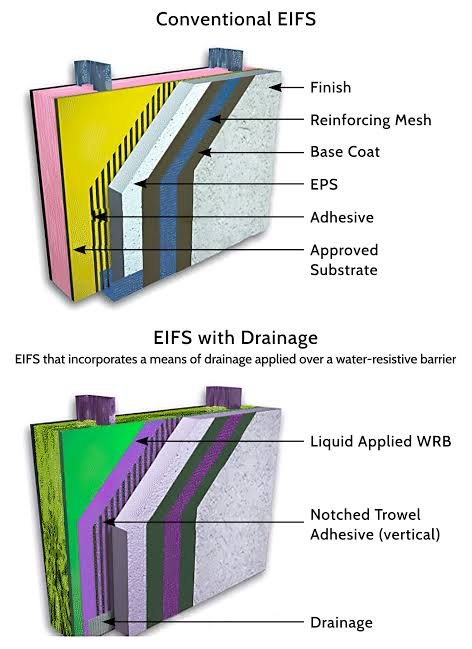
EIFS (Exterior Insulation and Finish Systems) is widely used in energy-efficient building projects.
Alkali resistant fiberglass mesh is an important reinforcement layer inside EIFS systems.
It improves:
- Surface crack resistance
- Impact resistance
- Wall durability
- System stability
Without proper reinforcement, temperature changes and external impact may cause cracks in exterior wall systems.
Fiberglass mesh helps maintain long-term performance and appearance.
Fiberglass Mesh for Waterproofing
Fiberglass mesh is commonly used as a reinforcement layer in waterproofing systems.
Typical applications include:
- Roof waterproofing
- Basement waterproofing
- Bathroom waterproofing
- Swimming pool waterproofing
It improves waterproofing system performance by:
- Reducing surface cracks
- Increasing layer stability
- Improving durability
- Enhancing bonding strength
Fiberglass Mesh for GRC Products
GRC (Glass Fiber Reinforced Concrete) is widely used in architectural decoration, exterior panels, and construction projects.
For GRC manufacturers, fiberglass reinforcement materials are essential because they improve:
- Flexural strength
- Crack resistance
- Product stability
- Service life
Common reinforcement materials include:
- AR fiberglass mesh
- Alkali resistant fiberglass yarn
- Fiberglass chopped strands
Benefits of Fiberglass Mesh
1. Excellent Crack Prevention
The mesh structure distributes stress evenly and reduces cracking caused by movement or shrinkage.
2. High Durability
Fiberglass mesh maintains performance under different environmental conditions when manufactured with high-quality materials and coating technology.
3. Lightweight and Easy Installation
Compared with steel mesh, fiberglass mesh is easier to:
- Transport
- Cut
- Install
- Handle on-site
This helps reduce labor costs and installation time.
4. Superior Corrosion Resistance
Fiberglass mesh does not rust, making it suitable for:
- Coastal buildings
- Humid environments
- Waterproofing projects
- Long-term outdoor applications
5. Customizable Specifications
Professional fiberglass mesh suppliers can provide customized solutions including:
- GSM weight
- Mesh opening size
- Width
- Roll length
- Packaging
How Strong Is Fiberglass Mesh?
The strength of fiberglass mesh depends on several factors:
- Fiberglass yarn quality
- Mesh structure
- GSM weight
- Coating technology
- Manufacturing process
Common Fiberglass Mesh Specifications
| Weight | Application |
|---|---|
| 60gsm | Lightweight repair |
| 75gsm | EIFS insulation systems |
| 100gsm | Wall reinforcement |
| 145gsm | Construction reinforcement |
| 160gsm+ | Heavy-duty applications |
When selecting fiberglass mesh, buyers should consider both tensile strength and alkali resistance rather than weight alone.
Fiberglass Mesh vs Steel Mesh
Both fiberglass mesh and steel mesh have their own advantages.
| Feature | Fiberglass Mesh | Steel Mesh |
|---|---|---|
| Weight | Lightweight | Heavy |
| Rust Resistance | Excellent | Limited |
| Installation | Easy | More difficult |
| Corrosion Resistance | High | Medium |
| Transportation Cost | Lower | Higher |
Fiberglass mesh is an excellent choice when lightweight performance, corrosion resistance, and long service life are required.
How to Choose the Right Fiberglass Mesh Supplier?
Choosing a reliable fiberglass mesh supplier is important for ensuring consistent product quality and stable supply.
Before purchasing, consider the following factors:
1. Product Quality
Check:
- Tensile strength
- Alkali resistance
- Mesh uniformity
- Coating quality
2. Manufacturing Capability
A professional fiberglass mesh manufacturer should provide:
- Stable production capacity
- Quality control system
- Export experience
- Technical support
3. Customization Ability
For distributors and project customers, suppliers should support:
- OEM orders
- Customized specifications
- Private labeling
- Special packaging
Why Choose YUNIU Fiberglass Mesh?
YUNIU is a professional fiberglass manufacturer with more than 20 years of manufacturing experience.
We provide high-quality fiberglass reinforcement solutions, including:
- Fiberglass mesh
- Alkali resistant fiberglass mesh
- Fiberglass mesh roll
- Fiberglass yarn
- Fiberglass reinforcement materials
YUNIU Advantages:
Factory Direct Supply
Direct manufacturing ensures:
- Competitive pricing
- Stable supply
- Flexible customization
Quality Control
Our production process focuses on:
- Stable mesh structure
- Consistent weight
- Reliable tensile strength
- Durable coating performance
Global Export Experience
YUNIU supplies fiberglass products to customers worldwide, including:
- Construction companies
- Building material distributors
- Engineering contractors
- Industrial manufacturers
Contact YUNIU for fiberglass mesh specifications, samples, and quotation.
Frequently Asked Questions About Fiberglass Mesh
What is fiberglass mesh used for?
Fiberglass mesh is mainly used for concrete reinforcement, EIFS systems, wall reinforcement, waterproofing, plaster reinforcement, and GRC applications.
Is fiberglass mesh waterproof?
Fiberglass mesh has excellent moisture resistance and is commonly used as a reinforcement layer in waterproofing systems. However, the complete waterproofing system determines final waterproof performance.
How long does fiberglass mesh last?
The service life depends on product quality, coating performance, installation method, and environmental conditions. High-quality fiberglass mesh can provide long-term reinforcement performance.
Is fiberglass mesh stronger than steel mesh?
Fiberglass mesh provides excellent corrosion resistance and lightweight advantages, while steel mesh may provide higher rigidity in certain applications.
What GSM fiberglass mesh should I choose?
The correct GSM depends on the application:
- EIFS: 75-145gsm
- Wall reinforcement: 100-145gsm
- Heavy reinforcement: 160gsm+
How do you install fiberglass mesh?
The general installation process includes:
- Prepare the surface
- Apply base coat or mortar
- Place fiberglass mesh
- Embed the mesh into the material
- Apply finishing layer
Conclusion
Fiberglass mesh is an essential reinforcement material for modern construction due to its strength, durability, corrosion resistance, and lightweight properties.
Whether used for concrete reinforcement, EIFS systems, waterproofing, wall reinforcement, or GRC products, selecting the right fiberglass mesh specification can significantly improve project performance.
Working with an experienced fiberglass mesh manufacturer ensures stable quality, customized solutions, and reliable supply.
YUNIU provides professional fiberglass mesh solutions for global construction and industrial applications.
Contact us today for fiberglass mesh specifications and quotation.