Introduction
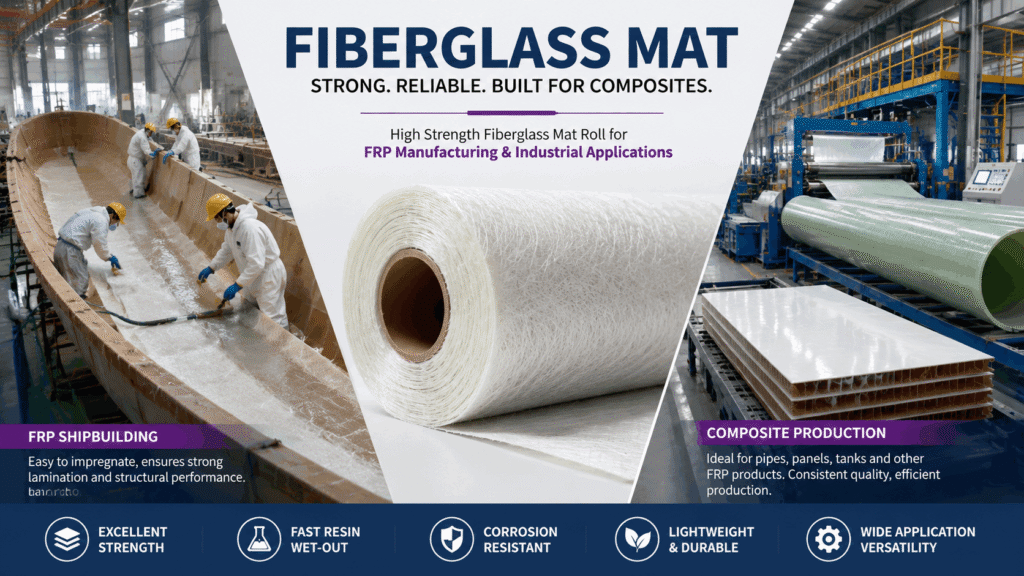
Choosing the right fiberglass mat is an important step for manufacturers working with FRP and composite materials. Although different fiberglass mats may look similar, their structures, performance, and applications can vary significantly.
Selecting the wrong mat can affect:
- Resin absorption
- Product strength
- Surface quality
- Production efficiency
Whether you are manufacturing boats, pipes, automotive parts, or composite panels, understanding the differences between fiberglass mats helps you make a better purchasing decision.
This guide will explain how to select the right fiberglass mat based on application, performance requirements, and supplier capability.
What Is Fiberglass Mat and Where Is It Used?
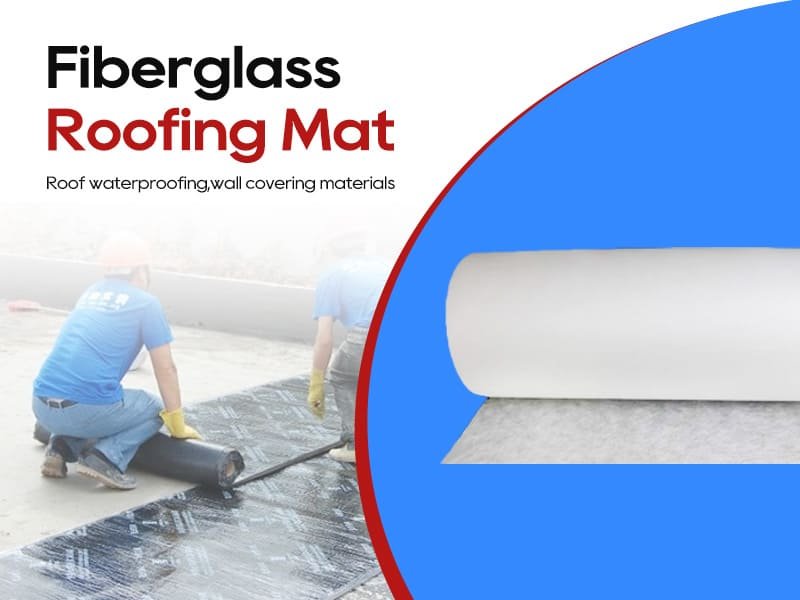
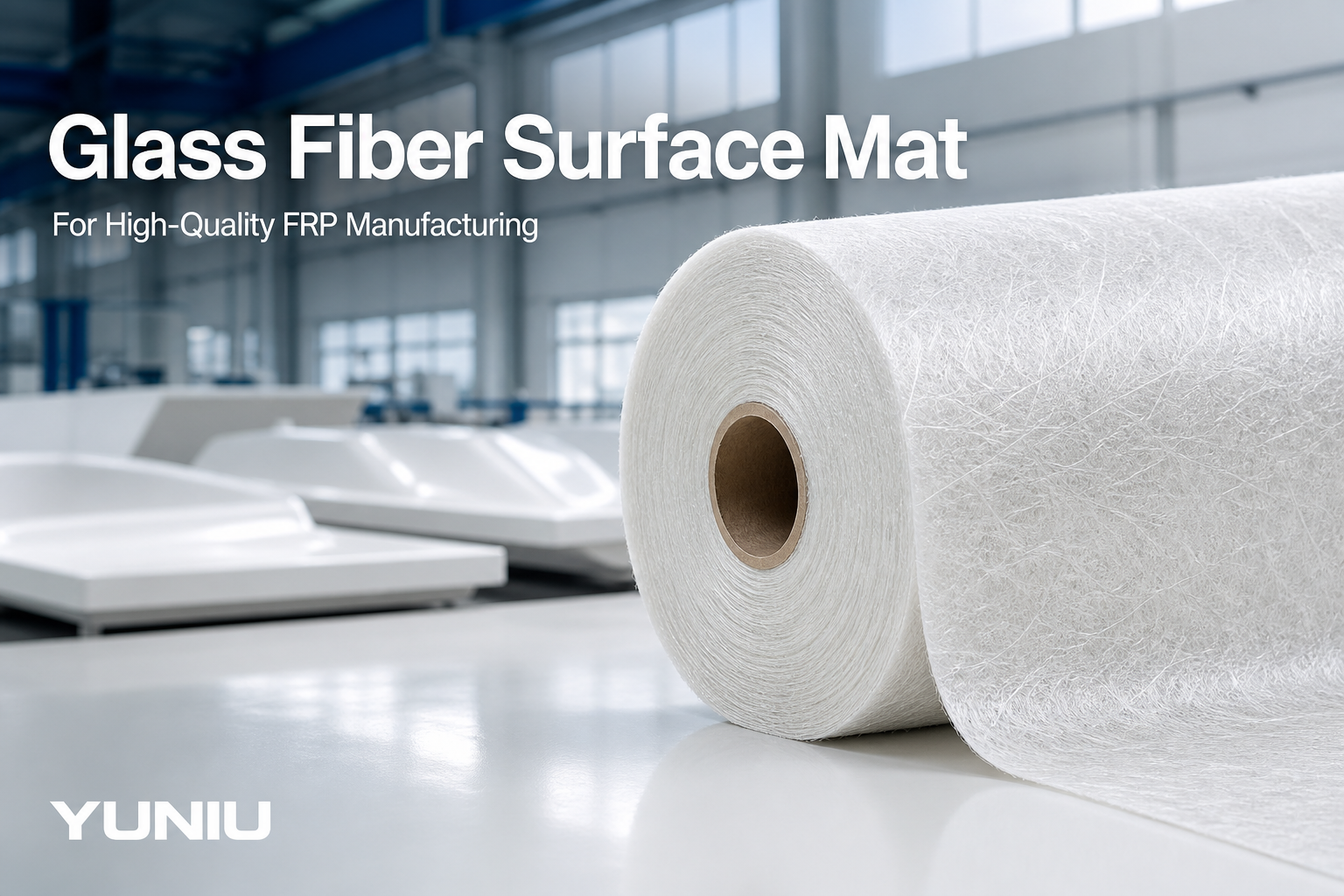
A fiberglass mat is a reinforcement material made from glass fibers distributed into a sheet structure. It is commonly combined with resin to create strong and durable composite products.
Unlike traditional reinforcement materials, fiberglass mat provides:
- Good resin compatibility
- Uniform reinforcement
- Easy processing
- Improved product durability
Common Fiberglass Mat Applications
Fiberglass mats are widely used in:
FRP Products
Used in:
- Pipes
- Tanks
- Panels
- Profiles
Marine Manufacturing
Commonly applied in:
- Boat hulls
- Marine components
Automotive and Industrial Composites
Used for:
- Lightweight composite parts
- Equipment housings
- Industrial structures
The final performance depends on choosing the right fiberglass mat type for each production process.
What Is the Difference Between Chopped Strand Mat and Other Fiberglass Mats?
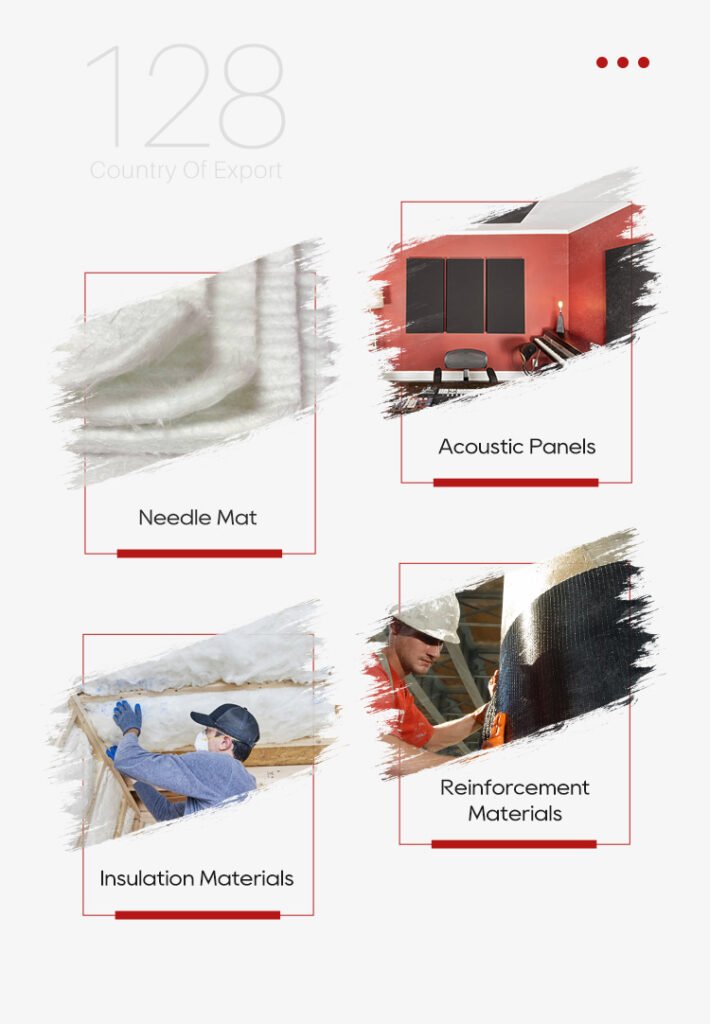
Different composite projects require different reinforcement solutions. Understanding the differences between fiberglass mats helps buyers select the most suitable option.
Chopped Strand Mat
Chopped strand mat is one of the most commonly used fiberglass reinforcement materials.
Features:
- Excellent resin wet-out
- Easy molding performance
- Good surface adaptability
Common applications:
- FRP hand lay-up molding
- Boat manufacturing
- Composite panels
- General FRP products
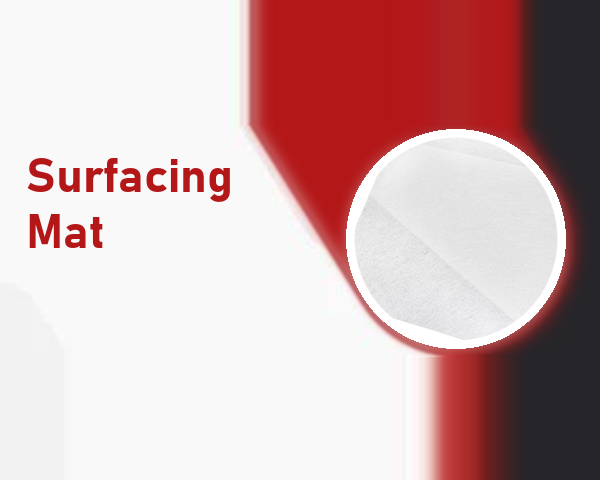
Fiberglass Surface Mat
Surface mat is mainly used to improve:
- Surface smoothness
- Appearance quality
- Resin-rich surface layers
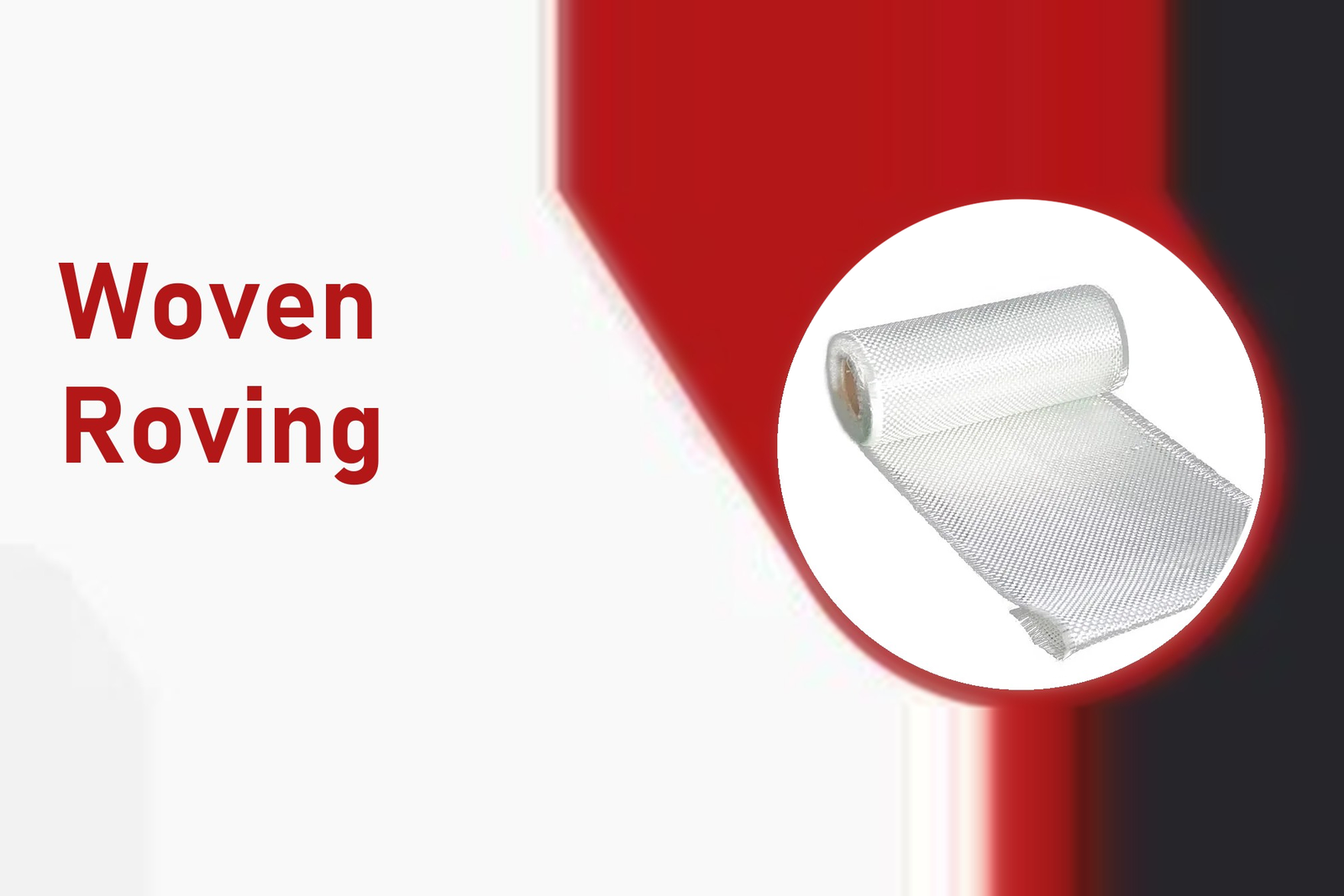
Woven Roving
Compared with chopped strand mat, woven roving provides:
- Higher mechanical strength
- Better structural reinforcement
Commonly used in:
- Heavy-duty composite structures
- Large FRP products
Quick Comparison
| Fiberglass Material | Main Advantage | Common Application |
|---|---|---|
| Chopped Strand Mat | Easy resin absorption and molding | General FRP production |
| Surface Mat | Smooth surface finish | Surface layer applications |
| Woven Roving | Higher strength reinforcement | Heavy composite structures |
How to Choose the Right Fiberglass Mat for Your Project?
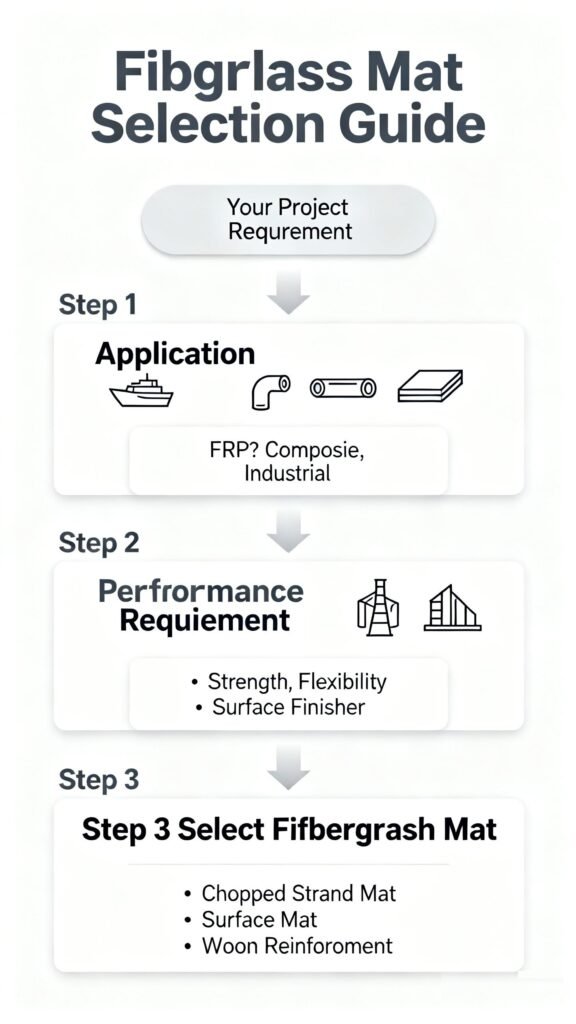
Choosing fiberglass mat is not only about price. The right product should match your production process, resin system, and performance requirements.
Before purchasing, consider these factors:
1. Application Requirements
Different products require different reinforcement solutions.
Examples:
| Application | Recommended Solution |
|---|---|
| General FRP molding | Chopped Strand Mat |
| Surface finishing | Surface Mat |
| High-strength structures | Woven Reinforcement |
2. Resin Compatibility
The fiberglass mat should work well with your resin system, including:
- Polyester resin
- Vinyl ester resin
- Epoxy resin
Good resin compatibility improves:
- Processing efficiency
- Final product strength
- Surface quality
3. Product Specifications
Important specifications include:
- Weight (GSM)
- Roll width
- Fiber distribution
- Binder type
Choosing the correct specification helps avoid production problems and improves consistency.
Why Does Fiberglass Mat Quality Matter for Composite Performance?
Not all fiberglass mats provide the same performance. Product quality directly affects the final composite product.
Poor-quality fiberglass mat may cause:
- Uneven resin absorption
- Weak reinforcement
- Surface defects
- Production instability
High-quality fiberglass mat should provide:
Uniform Fiber Distribution
Consistent fiber placement helps maintain stable reinforcement performance.
Good Binder Performance
The binder affects:
- Fiber handling
- Resin penetration
- Processing performance
Stable Thickness and Weight
Consistent specifications ensure reliable production results.
For manufacturers, choosing a stable quality fiberglass mat supplier can reduce production risks and improve product consistency.
How to Choose a Reliable Fiberglass Mat Supplier?
Selecting the right product is only part of the purchasing process. A reliable fiberglass mat supplier can provide consistent quality and long-term support.
Before cooperation, buyers should evaluate:
Manufacturing Capability
A professional supplier should have:
- Stable production capacity
- Strict quality control
- Consistent product performance
Customization Support
Different industries may require customized solutions:
- Different weights
- Roll sizes
- Packaging requirements
Export Experience
Experienced suppliers can support:
- International shipping
- Documentation
- Market requirements
Working with an experienced fiberglass mat manufacturer helps ensure reliable supply and stable product quality.
Why Choose Aiswix Fiberglass Mat?
Aiswix provides fiberglass reinforcement solutions for global FRP and composite manufacturers.
Our fiberglass mat products support applications including:
- FRP molding
- Composite manufacturing
- Industrial reinforcement
- Construction-related composite materials
With stable production capability, quality control, and customized solutions, Aiswix helps customers select suitable fiberglass mat products for different manufacturing requirements.

In Conclusion
Choosing the right fiberglass mat requires more than comparing price. The best solution depends on your application, resin system, production process, and required performance.
Whether you need chopped strand mat for general FRP production or other fiberglass reinforcement solutions for composite applications, selecting the right product and supplier can improve production efficiency, product quality, and long-term reliability.
By understanding different fiberglass mat options and working with an experienced fiberglass mat supplier, manufacturers can make smarter purchasing decisions and achieve better composite performance.