Introduction
Choosing the Right Fiberglass Mat Starts With Understanding the Differences
For FRP and composite manufacturers, choosing a fiberglass mat is not only about selecting a reinforcement material. Different fiberglass mat types have different structures, weights, and performance characteristics, which directly affect resin absorption, molding efficiency, surface quality, and final product strength.
A common mistake is choosing fiberglass mat only based on price or thickness. In reality, the right choice depends on:
- Manufacturing process
- Resin system
- Required strength
- Surface finish requirements
This guide explains the main fiberglass mat types, specification differences, and how to select the right solution for your composite applications.
What Are the Different Types of Fiberglass Mat?
Fiberglass mats are reinforcement materials made from glass fibers arranged into a sheet structure. Different manufacturing methods create different mat structures and performance characteristics.
The most common fiberglass mat types include:
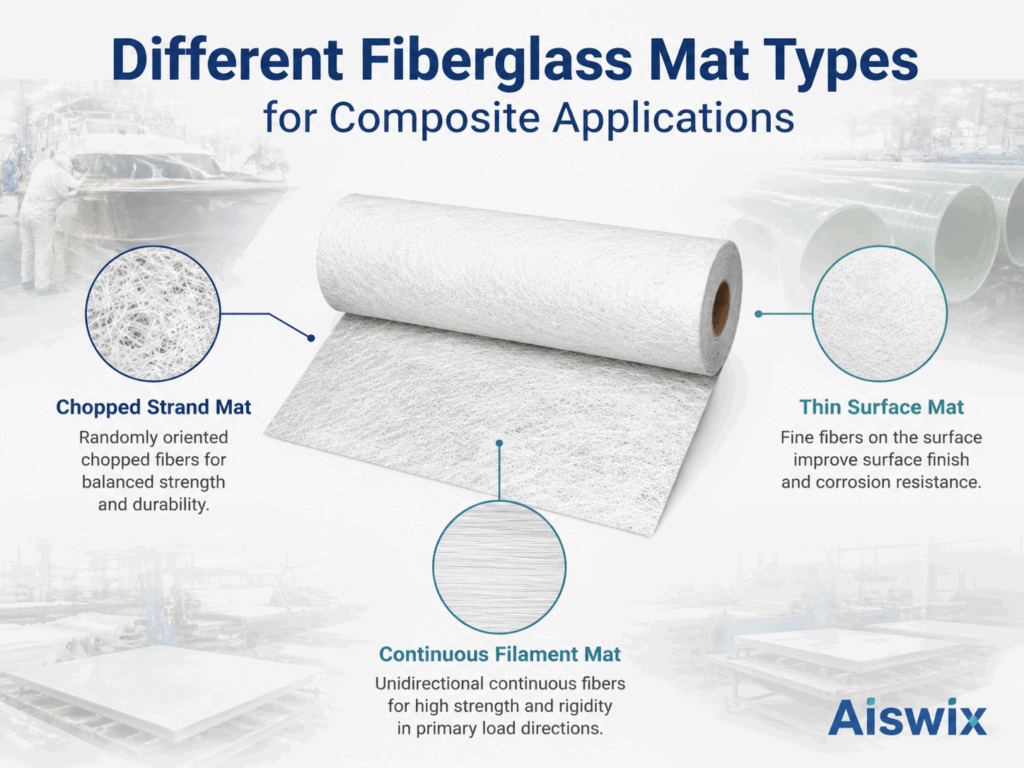
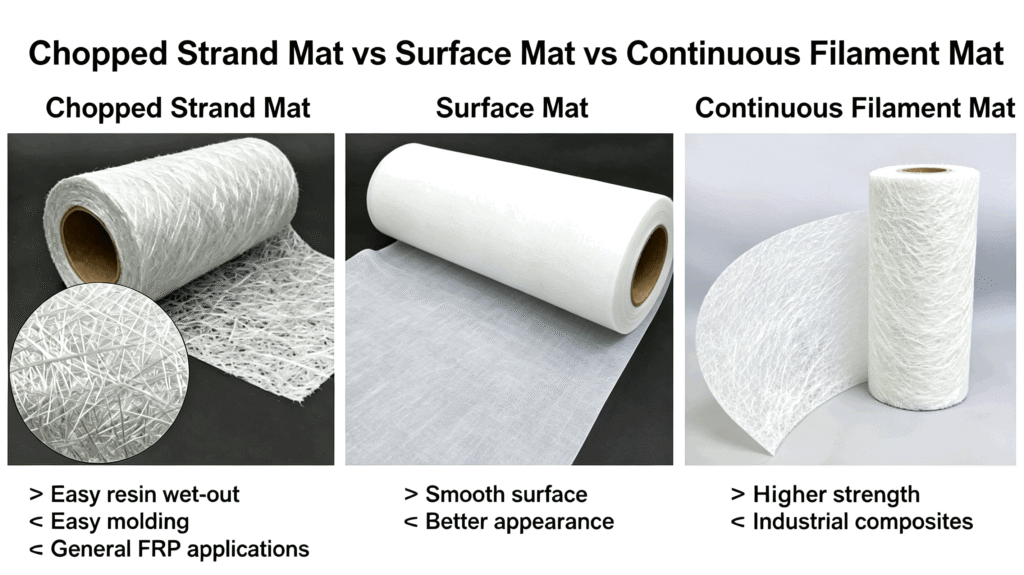
1. Chopped Strand Mat
The Most Common Choice for General FRP Manufacturing
Chopped strand mat is made from randomly distributed chopped glass fibers bonded together.
Because of its excellent resin compatibility and easy processing, it is widely used in general FRP production.
Key Features:
- Good resin wet-out
- Easy molding
- Uniform reinforcement
- Good surface adaptability
Common Applications:
- FRP boats
- Pipes and tanks
- Composite panels
- Industrial components
For most hand lay-up FRP processes, chopped strand mat is often the first choice.
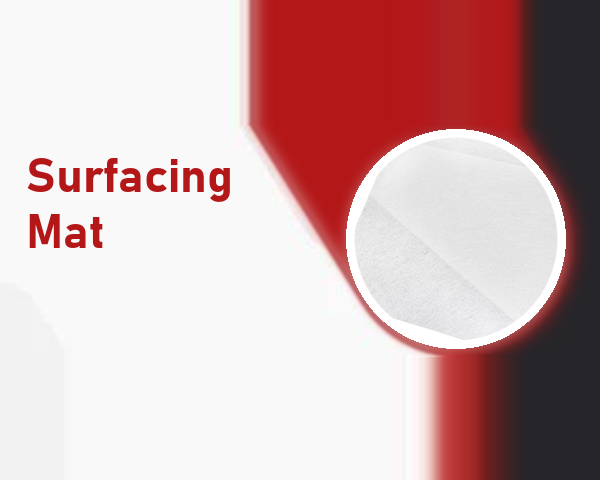
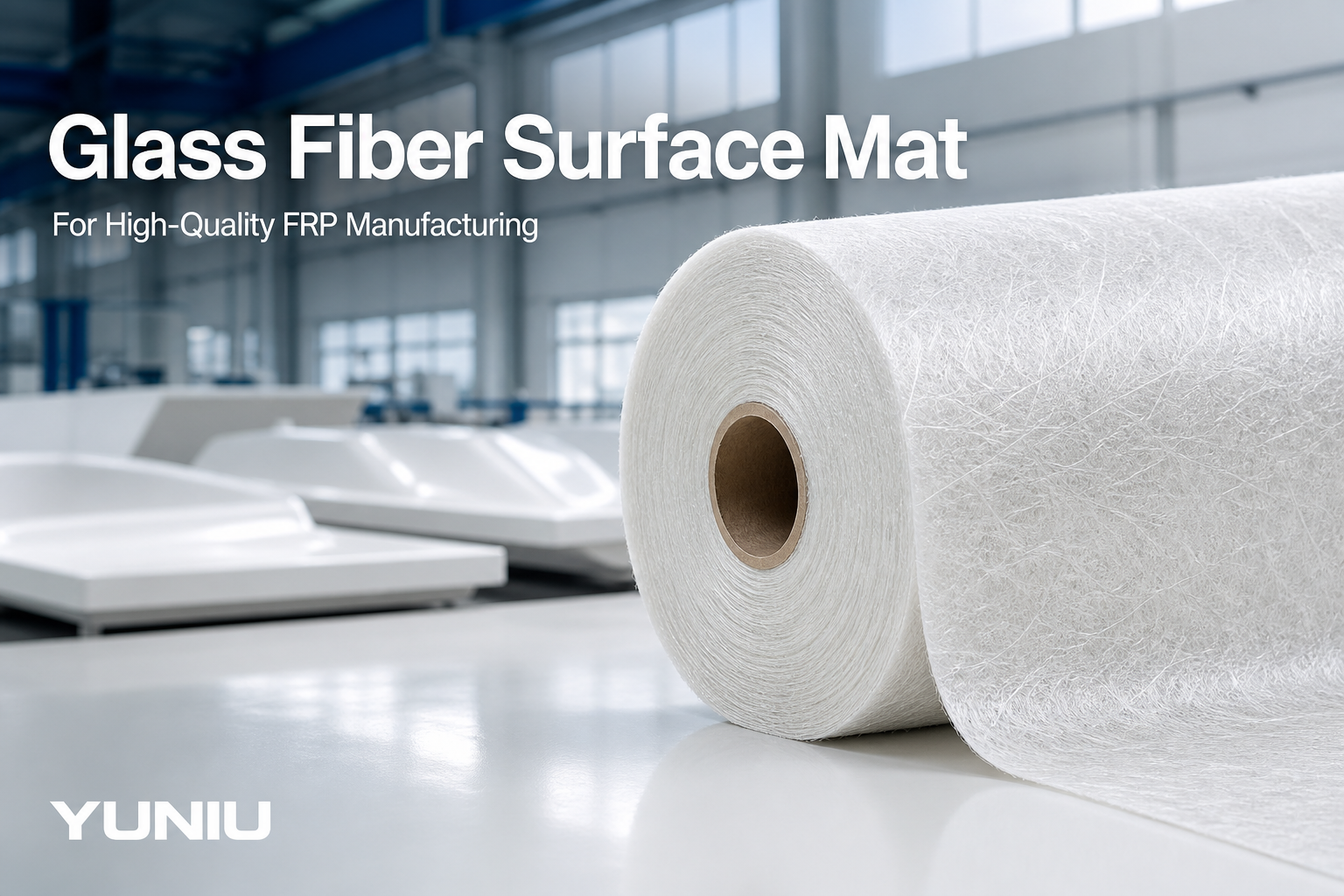
2. Fiberglass Surface Mat
Designed for Better Surface Appearance
Unlike chopped strand mat, surface mat focuses more on improving the outer surface quality of composite products.
It provides:
- Smoother surface finish
- Better appearance
- Reduced surface defects
Common applications:
- Decorative FRP products
- Surface layers
- High appearance composite products
3. Continuous Filament Mat
For Higher Performance Composite Applications
Continuous filament mat uses continuous glass fibers instead of chopped fibers.
Compared with traditional chopped strand mat, it can provide:
- Better mechanical performance
- Improved strength consistency
- Higher reinforcement efficiency
Common applications:
- Industrial composites
- High-performance FRP products
- Structural applications
How Does Fiberglass Mat Weight Affect Performance?
Besides type, fiberglass mat weight is another important factor when selecting the right product.
Fiberglass mat weight is usually measured in:
GSM (grams per square meter)
Different weights influence:
- Reinforcement level
- Resin consumption
- Product thickness
- Production efficiency
Common Fiberglass Mat Weight Options
| Weight | Typical Application |
|---|---|
| 225gsm | Surface layer and lightweight products |
| 300-450gsm | General FRP molding |
| 600gsm+ | Heavy reinforcement applications |
A higher GSM does not always mean better performance.
The correct weight depends on:
- Product design
- Required strength
- Manufacturing method
What Is the Difference Between Fiberglass Mat and Other Reinforcement Materials?
Fiberglass mat is only one type of composite reinforcement material.
Different materials serve different purposes.
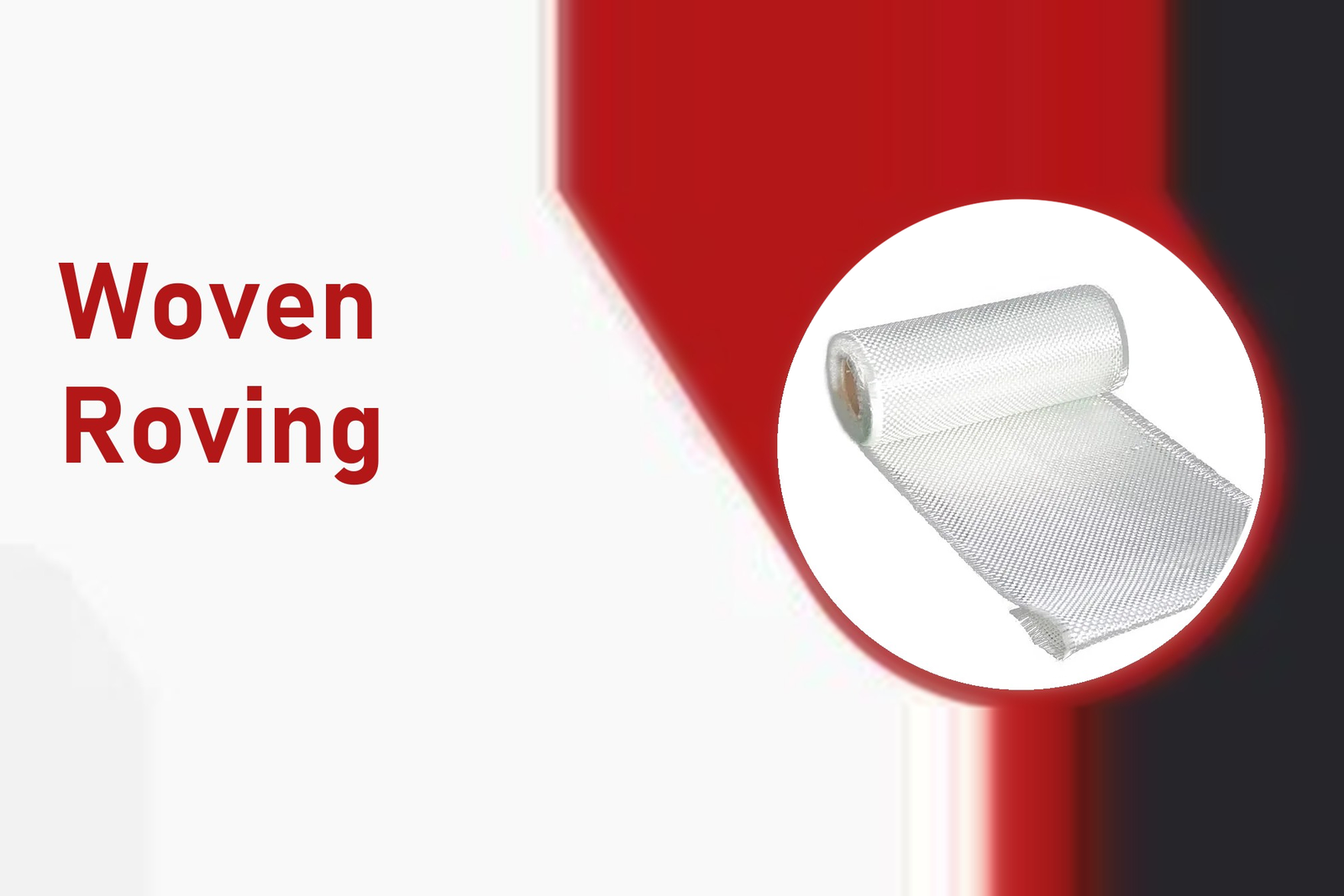
Fiberglass Mat vs Woven Roving
| Fiberglass Mat | Woven Roving | |
|---|---|---|
| Structure | Random fibers | Woven fibers |
| Main Advantage | Easy molding | Higher strength |
| Application | General FRP | Heavy reinforcement |
Fiberglass Mat vs Fiberglass Cloth
| Fiberglass Mat | Fiberglass Cloth |
|---|
| Structure | Non-woven | Woven fabric |
| Surface | Good adaptability | Smooth appearance |
| Application | FRP molding | Composite finishing |
Choosing the right reinforcement depends on whether your priority is:
- Processing efficiency
- Mechanical strength
- Surface quality
How to Select Fiberglass Mat Based on Your Manufacturing Process?
The best fiberglass mat depends on how the composite product is manufactured.
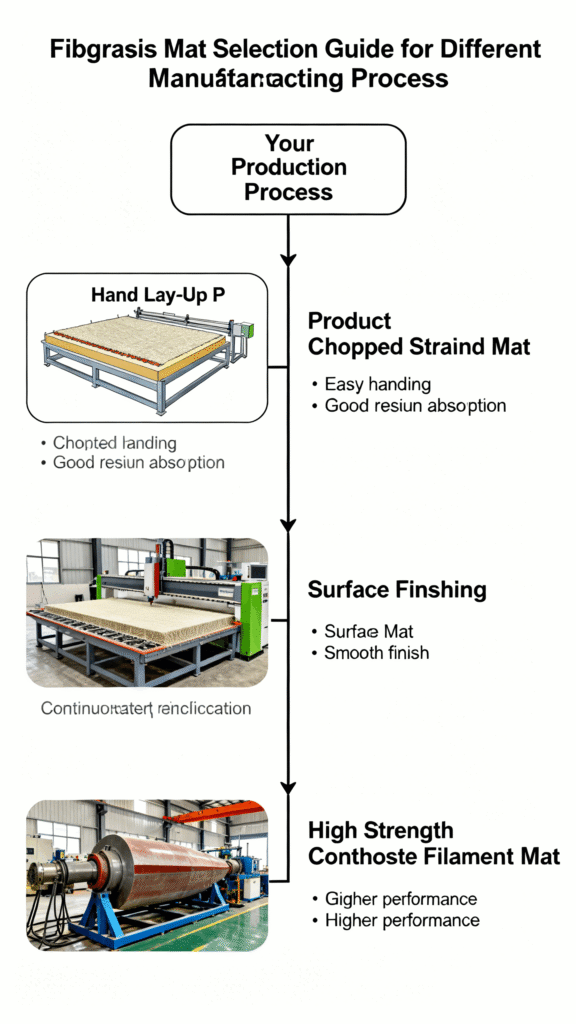
Hand Lay-Up Process
Recommended:
Chopped Strand Mat
Because:
- Easy resin penetration
- Simple operation
- Good adaptability
Surface Finishing Applications
Recommended:
Fiberglass Surface Mat
Because:
- Improves appearance
- Creates smoother surface
High Strength Composite Production
Recommended:
Continuous Filament Mat / Combined Reinforcement
Because:
- Better mechanical performance
- Higher structural stability
Why Do Fiberglass Mat Specifications Matter for Composite Quality?
Choosing the wrong fiberglass mat specification may lead to:
- Poor resin absorption
- Uneven reinforcement
- Surface defects
- Lower production efficiency
Important specifications include:
Fiber Type
Different glass fibers provide different performance levels.
Weight
Determines reinforcement level and material consumption.
Binder Type
Affects:
- Fiber stability
- Resin compatibility
- Processing performance
For manufacturers, stable specifications are essential for maintaining consistent product quality.

How to Choose a Reliable Fiberglass Mat Supplier?
After selecting the right fiberglass mat type and specification, choosing a reliable supplier is equally important.
A professional fiberglass mat supplier should provide:
Stable Product Quality
- Consistent weight
- Uniform fiber distribution
- Reliable performance
Customization Capability
Support:
- Different GSM
- Roll width
- Packaging requirements
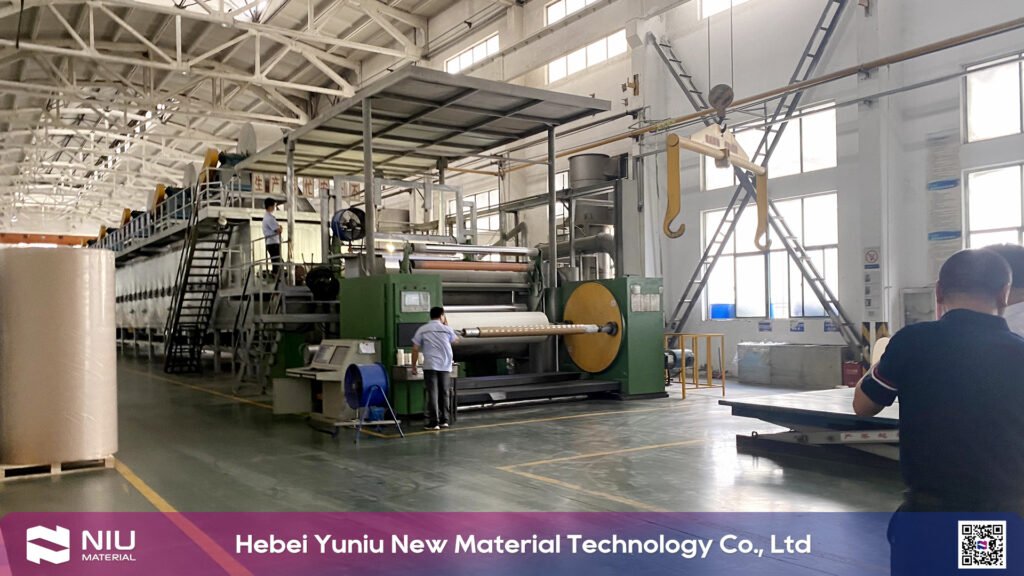
Manufacturing Experience
A manufacturer with production experience can better support:
- Product customization
- Quality control
- Export requirements
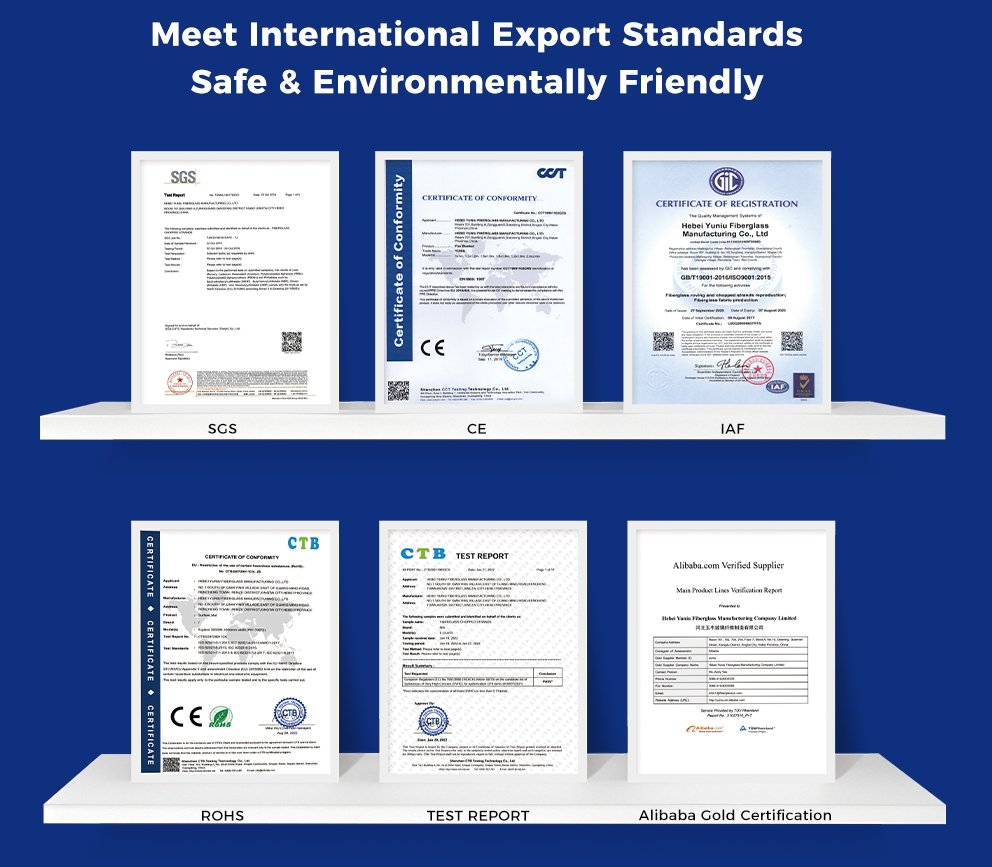
Why Choose Aiswix Fiberglass Mat?
Aiswix provides fiberglass reinforcement solutions for FRP and composite manufacturers worldwide.
Our products include:
- Chopped Strand Mat
- Fiberglass Surface Mat
- Customized fiberglass reinforcement solutions
With professional production capability and quality control, Aiswix helps customers select suitable fiberglass mat products for different applications.
In Conclusion
Understanding fiberglass mat types and specifications is essential for achieving reliable composite performance.
Whether you need chopped strand mat for general FRP production, surface mat for appearance improvement, or specialized reinforcement solutions for industrial applications, selecting the right structure and weight can improve efficiency and product quality.
By matching fiberglass mat specifications with your manufacturing process and working with an experienced fiberglass mat supplier, you can achieve better performance and more consistent production results.